25 questions à choix multiples — Français / English / العربية
Les règles générales de circulation sont essentielles pour comprendre le Code de la route français. Testez vos connaissances grâce à ces questions à choix multiples et apprenez à mieux connaître les règles de circulation en France.
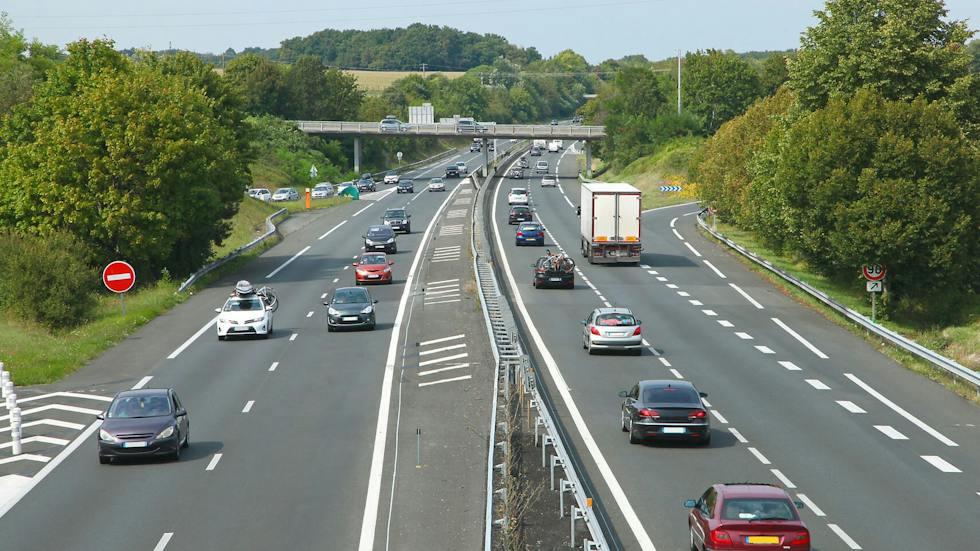
QUESTION 1 — En France, de quel côté de la chaussée doit-on normalement circuler ?
ENGLISH — In France, which side of the road should drivers normally use?
العربية — في فرنسا، على أي جانب من الطريق يجب أن تسير المركبات عادةً؟
CHOIX DE RÉPONSE / ANSWER OPTIONS / خيارات الإجابة
A. À gauche / On the left / على اليسار
B. À droite / On the right / على اليمين
C. Au milieu de la chaussée / In the middle of the road / في وسط الطريق
D. Sur n’importe quel côté / On either side / على أي جانب
BONNE RÉPONSE / CORRECT ANSWER / الإجابة الصحيحة
B. À droite / On the right / على اليمين
————————————————————
QUESTION 2 — En circulation normale, où le conducteur doit-il maintenir son véhicule, dans la mesure du possible ?
ENGLISH — In normal traffic, where should a driver keep the vehicle whenever possible?
العربية — أين يجب على السائق إبقاء مركبته أثناء السير العادي، كلما أمكن ذلك؟
CHOIX DE RÉPONSE / ANSWER OPTIONS / خيارات الإجابة
A. Près du bord droit de la chaussée / Near the right edge of the road / بالقرب من الحافة اليمنى للطريق
B. Au centre de la chaussée / In the centre of the road / في وسط الطريق
C. Près du bord gauche / Near the left edge / بالقرب من الحافة اليسرى
D. Sur la voie opposée / In the opposing lane / في المسار المقابل
BONNE RÉPONSE / CORRECT ANSWER / الإجابة الصحيحة
A. Près du bord droit de la chaussée / Near the right edge of the road / بالقرب من الحافة اليمنى للطريق
————————————————————
QUESTION 3 — Quel comportement un conducteur doit-il adopter envers les autres usagers de la route ?
ENGLISH — How should a driver behave towards other road users?
العربية — كيف يجب أن يتصرف السائق تجاه مستخدمي الطريق الآخرين؟
CHOIX DE RÉPONSE / ANSWER OPTIONS / خيارات الإجابة
A. Impatient et pressé / Impatient and hurried / بنفاد صبر واستعجال
B. Prudent et respectueux / Carefully and respectfully / بحذر واحترام
C. Indifférent / Indifferently / بلامبالاة
D. Prioritaire dans toutes les situations / As having priority in every situation / باعتباره صاحب الأولوية في جميع الحالات
BONNE RÉPONSE / CORRECT ANSWER / الإجابة الصحيحة : B. Prudent et respectueux / Carefully and respectfully / بحذر واحترام
————————————————————
QUESTION 4 — À l’égard de quels usagers le conducteur doit-il faire preuve d’une prudence accrue ?
ENGLISH — Towards which road users must a driver show extra caution?
العربية — تجاه أي مستخدمي الطريق يجب على السائق توخي حذر إضافي؟
CHOIX DE RÉPONSE / ANSWER OPTIONS / خيارات الإجابة
A. Uniquement les conducteurs de voitures / Car drivers only / سائقو السيارات فقط
B. Uniquement les poids lourds / Heavy-goods vehicle drivers only / سائقو الشاحنات فقط
C. Les usagers les plus vulnérables / The most vulnerable road users / مستخدمو الطريق الأكثر عرضة للخطر
D. Uniquement les véhicules stationnés / Parked vehicles only / المركبات المتوقفة فقط
BONNE RÉPONSE / CORRECT ANSWER / الإجابة الصحيحة : C. Les usagers les plus vulnérables / The most vulnerable road users / مستخدمو الطريق الأكثر عرضة للخطر
————————————————————
QUESTION 5 — Que doit pouvoir faire un conducteur à tout moment lorsqu’il conduit ?
ENGLISH — What must a driver be able to do at all times while driving?
العربية — ما الذي يجب أن يكون السائق قادرًا على فعله في جميع الأوقات أثناء القيادة؟
CHOIX DE RÉPONSE / ANSWER OPTIONS / خيارات الإجابة
A. Effectuer sans délai les manœuvres nécessaires / Carry out necessary manoeuvres without delay / تنفيذ المناورات اللازمة دون تأخير
B. Lire un message sur son téléphone / Read a message on their phone / قراءة رسالة على الهاتف
C. Se retourner longuement vers les passagers / Turn around to look at passengers for a long time / الالتفات طويلًا إلى الركاب
D. Conduire sans regarder la route / Drive without looking at the road / القيادة دون النظر إلى الطريق
BONNE RÉPONSE / CORRECT ANSWER / الإجابة الصحيحة : A. Effectuer sans délai les manœuvres nécessaires / Carry out necessary manoeuvres without delay / تنفيذ المناورات اللازمة دون تأخير
————————————————————
QUESTION 6 — Les passagers ou les objets transportés peuvent-ils gêner la visibilité du conducteur ?
ENGLISH — May passengers or carried objects obstruct the driver’s view?
العربية — هل يجوز أن يعيق الركاب أو الأشياء المنقولة مجال رؤية السائق؟
CHOIX DE RÉPONSE / ANSWER OPTIONS / خيارات الإجابة
A. Oui, sans aucune limite / Yes, without any limit / نعم، دون أي حدود
B. Oui, si le trajet est court / Yes, if the journey is short / نعم، إذا كانت الرحلة قصيرة
C. Non, le conducteur doit conserver un champ de vision suffisant / No, the driver must maintain an adequate field of vision / لا، يجب أن يحتفظ السائق بمجال رؤية كافٍ
D. Seulement sur autoroute / Only on motorways / على الطرق السريعة فقط
BONNE RÉPONSE / CORRECT ANSWER / الإجابة الصحيحة : C. Non, le conducteur doit conserver un champ de vision suffisant / No, the driver must maintain an adequate field of vision / لا، يجب أن يحتفظ السائق بمجال رؤية كافٍ
————————————————————
QUESTION 7 — En conduisant, un conducteur peut-il tenir son téléphone en main pour consulter un message ?
ENGLISH — While driving, may a driver hold a phone to check a message?
العربية — هل يجوز للسائق إمساك الهاتف بيده لقراءة رسالة أثناء القيادة؟
CHOIX DE RÉPONSE / ANSWER OPTIONS / خيارات الإجابة
A. Oui, à faible vitesse / Yes, at low speed / نعم، عند السرعة المنخفضة
B. Oui, si le message est important / Yes, if the message is important / نعم، إذا كانت الرسالة مهمة
C. Non / No / لا
D. Oui, dans les embouteillages, même en circulation / Yes, in traffic jams while still in traffic / نعم، في الازدحام ما دام في حركة المرور
BONNE RÉPONSE / CORRECT ANSWER / الإجابة الصحيحة : C. Non / No / لا
————————————————————
QUESTION 8 — Pendant la conduite, le port d’écouteurs ou d’un dispositif audio à l’oreille est-il autorisé en règle générale ?
ENGLISH — While driving, is wearing earphones or an audio device in the ear generally allowed?
العربية — هل يُسمح عمومًا بارتداء سماعات الأذن أو جهاز صوتي في الأذن أثناء القيادة؟
CHOIX DE RÉPONSE / ANSWER OPTIONS / خيارات الإجابة
A. Oui, dans les deux oreilles / Yes, in both ears / نعم، في كلتا الأذنين
B. Oui, si le volume est faible / Yes, if the volume is low / نعم، إذا كان الصوت منخفضًا
C. Non, sauf exceptions prévues par la réglementation / No, except for regulatory exceptions / لا، باستثناء الحالات التي تسمح بها اللوائح
D. Oui, uniquement en ville / Yes, only in town / نعم، داخل المدينة فقط
BONNE RÉPONSE / CORRECT ANSWER / الإجابة الصحيحة : C. Non, sauf exceptions prévues par la réglementation / No, except for regulatory exceptions / لا، باستثناء الحالات التي تسمح بها اللوائح
————————————————————
QUESTION 9 — En règle générale, où les véhicules doivent-ils circuler ?
ENGLISH — As a general rule, where must vehicles travel?
العربية — كقاعدة عامة، أين يجب أن تسير المركبات؟
CHOIX DE RÉPONSE / ANSWER OPTIONS / خيارات الإجابة
A. Sur le trottoir / On the pavement / على الرصيف
B. Sur la chaussée / On the carriageway / على الطريق المخصص للمركبات
C. Sur la piste cyclable / On the cycle track / على مسار الدراجات
D. Sur l’accotement en permanence / On the shoulder at all times / على جانب الطريق طوال الوقت
BONNE RÉPONSE / CORRECT ANSWER / الإجابة الصحيحة : B. Sur la chaussée / On the carriageway / على الطريق المخصص للمركبات
————————————————————
QUESTION 10 — Un conducteur peut-il rouler normalement sur la partie gauche d’une chaussée à double sens ?
ENGLISH — May a driver normally travel on the left side of a two-way road?
العربية — هل يجوز للسائق السير عادةً في الجانب الأيسر من طريق ذي اتجاهين؟
CHOIX DE RÉPONSE / ANSWER OPTIONS / خيارات الإجابة
A. Oui, pour gagner du temps / Yes, to save time / نعم، لتوفير الوقت
B. Oui, si la route semble libre / Yes, if the road appears clear / نعم، إذا بدا الطريق خاليًا
C. Non, il doit circuler sur sa voie à droite, sauf manœuvre autorisée / No, they must use the right-hand side except for an authorised manoeuvre / لا، يجب أن يسير في الجانب الأيمن إلا عند القيام بمناورة مسموح بها
D. Oui, quand il fait jour / Yes, during daylight / نعم، أثناء النهار
BONNE RÉPONSE / CORRECT ANSWER / الإجابة الصحيحة : C. Non, il doit circuler sur sa voie à droite, sauf manœuvre autorisée / No, they must use the right-hand side except for an authorised manoeuvre / لا، يجب أن يسير في الجانب الأيمن إلا عند القيام بمناورة مسموح بها
————————————————————
QUESTION 11 — Avant de changer de direction, quelle action le conducteur doit-il effectuer pour avertir les autres usagers ?
ENGLISH — Before changing direction, what should the driver do to warn other road users?
العربية — ما الذي يجب على السائق فعله لتنبيه مستخدمي الطريق الآخرين قبل تغيير الاتجاه؟
CHOIX DE RÉPONSE / ANSWER OPTIONS / خيارات الإجابة
A. Actionner le clignotant lorsque cela est requis / Use the turn signal when required / تشغيل إشارة الانعطاف عند الحاجة
B. Klaxonner systématiquement / Always sound the horn / استخدام البوق دائمًا
C. Freiner brusquement sans signaler / Brake sharply without signalling / الفرملة المفاجئة دون إشارة
D. Ne rien faire / Do nothing / عدم فعل أي شيء
BONNE RÉPONSE / CORRECT ANSWER / الإجابة الصحيحة : A. Actionner le clignotant lorsque cela est requis / Use the turn signal when required / تشغيل إشارة الانعطاف عند الحاجة
————————————————————
QUESTION 12 — Avant d’effectuer une manœuvre, que doit vérifier le conducteur ?
ENGLISH — Before carrying out a manoeuvre, what must the driver check?
العربية — ما الذي يجب على السائق التحقق منه قبل تنفيذ مناورة؟
CHOIX DE RÉPONSE / ANSWER OPTIONS / خيارات الإجابة
A. Que la manœuvre peut être réalisée sans danger / That the manoeuvre can be carried out safely / أن المناورة يمكن تنفيذها بأمان
B. Que les autres conducteurs vont s’arrêter pour lui / That other drivers will stop for them / أن السائقين الآخرين سيتوقفون من أجله
C. Qu’il peut accélérer immédiatement / That they can accelerate immediately / أنه يستطيع التسارع فورًا
D. Que personne ne le voit / That nobody can see them / أن لا أحد يراه
BONNE RÉPONSE / CORRECT ANSWER / الإجابة الصحيحة : A. Que la manœuvre peut être réalisée sans danger / That the manoeuvre can be carried out safely / أن المناورة يمكن تنفيذها بأمان
————————————————————
QUESTION 13 — Lorsque la chaussée est encombrée, quelle attitude est la plus appropriée ?
ENGLISH — When the road is congested, which attitude is most appropriate?
العربية — عندما يكون الطريق مزدحمًا، ما التصرف الأنسب؟
CHOIX DE RÉPONSE / ANSWER OPTIONS / خيارات الإجابة
A. Forcer le passage / Force a way through / فرض المرور بالقوة
B. Rester patient et adapter sa conduite / Remain patient and adapt driving / التحلي بالصبر وتكييف القيادة
C. Utiliser constamment le klaxon / Sound the horn constantly / استخدام البوق باستمرار
D. Changer de voie sans contrôle / Change lanes without checking / تغيير المسار دون التحقق
BONNE RÉPONSE / CORRECT ANSWER / الإجابة الصحيحة : B. Rester patient et adapter sa conduite / Remain patient and adapt driving / التحلي بالصبر وتكييف القيادة
————————————————————
QUESTION 14 — Le conducteur doit-il adapter sa vitesse à la situation, même si la vitesse maximale autorisée est plus élevée ?
ENGLISH — Must a driver adapt speed to the situation even when the posted maximum is higher?
العربية — هل يجب على السائق تكييف السرعة مع الظروف حتى إذا كانت السرعة القصوى المسموح بها أعلى؟
CHOIX DE RÉPONSE / ANSWER OPTIONS / خيارات الإجابة
A. Oui, la vitesse doit rester adaptée aux circonstances / Yes, speed must remain appropriate to the circumstances / نعم، يجب أن تتناسب السرعة مع الظروف
B. Non, la vitesse maximale doit toujours être atteinte / No, the maximum speed must always be reached / لا، يجب دائمًا بلوغ السرعة القصوى
C. Seulement en ville / Only in town / داخل المدينة فقط
D. Seulement si un panneau l’indique / Only if a sign says so / فقط إذا أشارت لوحة إلى ذلك
BONNE RÉPONSE / CORRECT ANSWER / الإجابة الصحيحة : A. Oui, la vitesse doit rester adaptée aux circonstances / Yes, speed must remain appropriate to the circumstances / نعم، يجب أن تتناسب السرعة مع الظروف
————————————————————
QUESTION 15 — Un conducteur peut-il s’engager dans une manœuvre s’il sait qu’il risque de gêner ou de mettre en danger les autres usagers ?
ENGLISH — May a driver begin a manoeuvre if they know it could obstruct or endanger other road users?
العربية — هل يجوز للسائق بدء مناورة إذا كان يعلم أنها قد تعيق مستخدمي الطريق الآخرين أو تعرضهم للخطر؟
CHOIX DE RÉPONSE / ANSWER OPTIONS / خيارات الإجابة
A. Oui, si elle est rapide / Yes, if it is quick / نعم، إذا كانت سريعة
B. Oui, si le véhicule est puissant / Yes, if the vehicle is powerful / نعم، إذا كانت المركبة قوية
C. Non, il doit s’assurer de pouvoir la réaliser sans danger / No, they must ensure it can be done safely / لا، يجب التأكد من إمكانية تنفيذها بأمان
D. Oui, si personne ne klaxonne / Yes, if nobody honks / نعم، إذا لم يستخدم أحد البوق
BONNE RÉPONSE / CORRECT ANSWER / الإجابة الصحيحة : C. Non, il doit s’assurer de pouvoir la réaliser sans danger / No, they must ensure it can be done safely / لا، يجب التأكد من إمكانية تنفيذها بأمان
————————————————————
QUESTION 16 — Lorsqu’un conducteur approche d’une zone où la visibilité est réduite, quelle attitude est la plus sûre ?
ENGLISH — When approaching an area with reduced visibility, what is the safest approach?
العربية — عند الاقتراب من منطقة تقل فيها الرؤية، ما التصرف الأكثر أمانًا؟
CHOIX DE RÉPONSE / ANSWER OPTIONS / خيارات الإجابة
A. Augmenter la vitesse / Increase speed / زيادة السرعة
B. Adapter l’allure et rester particulièrement attentif / Adjust speed and remain especially alert / تكييف السرعة والبقاء شديد الانتباه
C. Suivre de très près le véhicule devant / Follow the vehicle ahead very closely / اتباع المركبة الأمامية عن قرب شديد
D. Regarder uniquement le tableau de bord / Look only at the dashboard / النظر إلى لوحة العدادات فقط
BONNE RÉPONSE / CORRECT ANSWER / الإجابة الصحيحة : B. Adapter l’allure et rester particulièrement attentif / Adjust speed and remain especially alert / تكييف السرعة والبقاء شديد الانتباه
————————————————————
QUESTION 17 — Pourquoi faut-il éviter de placer des objets qui réduisent le champ de vision du conducteur ?
ENGLISH — Why should objects that reduce the driver’s field of vision be avoided?
العربية — لماذا يجب تجنب وضع أشياء تقلل مجال رؤية السائق؟
CHOIX DE RÉPONSE / ANSWER OPTIONS / خيارات الإجابة
A. Parce qu’ils peuvent empêcher de repérer un danger / Because they can prevent the driver from noticing a hazard / لأنها قد تمنع السائق من ملاحظة الخطر
B. Parce qu’ils rendent le véhicule plus rapide / Because they make the vehicle faster / لأنها تجعل المركبة أسرع
C. Uniquement pour des raisons esthétiques / Only for aesthetic reasons / لأسباب جمالية فقط
D. Parce qu’ils modifient toujours la consommation / Because they always change fuel consumption / لأنها تغير استهلاك الوقود دائمًا
BONNE RÉPONSE / CORRECT ANSWER / الإجابة الصحيحة : A. Parce qu’ils peuvent empêcher de repérer un danger / Because they can prevent the driver from noticing a hazard / لأنها قد تمنع السائق من ملاحظة الخطر
————————————————————
QUESTION 18 — Sur une route à double sens, quelle règle générale permet de limiter les risques de collision frontale ?
ENGLISH — On a two-way road, which general rule helps reduce the risk of a head-on collision?
العربية — على طريق ذي اتجاهين، ما القاعدة العامة التي تساعد على تقليل خطر التصادم وجهاً لوجه؟
CHOIX DE RÉPONSE / ANSWER OPTIONS / خيارات الإجابة
A. Circuler sur la partie gauche en permanence / Always drive on the left side / السير في الجانب الأيسر دائمًا
B. Rester sur la partie droite de la chaussée, sauf exception autorisée / Keep to the right side of the road except for an authorised exception / البقاء في الجانب الأيمن من الطريق إلا في حالة استثناء مسموح
C. Rouler au centre de la chaussée / Drive in the centre of the road / السير في وسط الطريق
D. Doubler dans chaque virage / Overtake on every bend / التجاوز عند كل منعطف
BONNE RÉPONSE / CORRECT ANSWER / الإجابة الصحيحة : B. Rester sur la partie droite de la chaussée, sauf exception autorisée / Keep to the right side of the road except for an authorised exception / البقاء في الجانب الأيمن من الطريق إلا في حالة استثناء مسموح
————————————————————
QUESTION 19 — Le conducteur doit-il tenir compte des piétons et des cyclistes même lorsqu’ils ne sont pas motorisés ?
ENGLISH — Must a driver take pedestrians and cyclists into account even though they are not motorised?
العربية — هل يجب على السائق مراعاة المشاة وراكبي الدراجات حتى وإن لم تكن مركباتهم آلية؟
CHOIX DE RÉPONSE / ANSWER OPTIONS / خيارات الإجابة
A. Oui, ce sont aussi des usagers de la route / Yes, they are also road users / نعم، فهم أيضًا من مستخدمي الطريق
B. Non, seuls les véhicules motorisés comptent / No, only motor vehicles matter / لا، المركبات الآلية وحدها مهمة
C. Seulement en zone rurale / Only in rural areas / في المناطق الريفية فقط
D. Seulement lorsqu’ils sont nombreux / Only when there are many of them / فقط عندما يكون عددهم كبيرًا
BONNE RÉPONSE / CORRECT ANSWER / الإجابة الصحيحة : A. Oui, ce sont aussi des usagers de la route / Yes, they are also road users / نعم، فهم أيضًا من مستخدمي الطريق
————————————————————
QUESTION 20 — Que doit faire un conducteur s’il ne peut pas voir correctement autour de son véhicule avant une manœuvre ?
ENGLISH — What should a driver do if they cannot see properly around the vehicle before a manoeuvre?
العربية — ماذا يجب على السائق أن يفعل إذا لم يتمكن من الرؤية جيدًا حول مركبته قبل المناورة؟
CHOIX DE RÉPONSE / ANSWER OPTIONS / خيارات الإجابة
A. Effectuer la manœuvre immédiatement / Carry out the manoeuvre immediately / تنفيذ المناورة فورًا
B. Prendre les précautions nécessaires avant de manœuvrer / Take the necessary precautions before manoeuvring / اتخاذ الاحتياطات اللازمة قبل المناورة
C. Accélérer pour réduire le temps de manœuvre / Accelerate to shorten the manoeuvre / التسارع لتقليل وقت المناورة
D. Ignorer les angles morts / Ignore blind spots / تجاهل النقاط العمياء
BONNE RÉPONSE / CORRECT ANSWER / الإجابة الصحيحة : B. Prendre les précautions nécessaires avant de manœuvrer / Take the necessary precautions before manoeuvring / اتخاذ الاحتياطات اللازمة قبل المناورة
————————————————————
QUESTION 21 — Un conducteur peut-il supposer que les autres usagers vont toujours respecter les règles ?
ENGLISH — May a driver assume that other road users will always obey the rules?
العربية — هل يجوز للسائق افتراض أن مستخدمي الطريق الآخرين سيلتزمون بالقواعد دائمًا؟
CHOIX DE RÉPONSE / ANSWER OPTIONS / خيارات الإجابة
A. Oui, dans toutes les situations / Yes, in every situation / نعم، في جميع الحالات
B. Non, il doit rester attentif et anticiper les risques / No, they must stay alert and anticipate risks / لا، يجب أن يبقى منتبهًا ويتوقع المخاطر
C. Oui, uniquement en ville / Yes, only in town / نعم، داخل المدينة فقط
D. Oui, si la route est large / Yes, if the road is wide / نعم، إذا كان الطريق واسعًا
BONNE RÉPONSE / CORRECT ANSWER / الإجابة الصحيحة : B. Non, il doit rester attentif et anticiper les risques / No, they must stay alert and anticipate risks / لا، يجب أن يبقى منتبهًا ويتوقع المخاطر
————————————————————
QUESTION 22 — Pourquoi est-il important de garder une distance suffisante avec le véhicule qui précède ?
ENGLISH — Why is it important to keep enough distance from the vehicle ahead?
العربية — لماذا من المهم ترك مسافة كافية بينك وبين المركبة التي أمامك؟
CHOIX DE RÉPONSE / ANSWER OPTIONS / خيارات الإجابة
A. Pour pouvoir réagir en cas de ralentissement ou d’arrêt / To be able to react if traffic slows or stops / للتمكن من الاستجابة عند تباطؤ حركة المرور أو توقفها
B. Pour empêcher les autres de dépasser / To prevent others from overtaking / لمنع الآخرين من التجاوز
C. Pour pouvoir utiliser son téléphone / To be able to use a phone / للتمكن من استخدام الهاتف
D. Pour rouler plus vite / To drive faster / للقيادة بسرعة أكبر
BONNE RÉPONSE / CORRECT ANSWER / الإجابة الصحيحة : A. Pour pouvoir réagir en cas de ralentissement ou d’arrêt / To be able to react if traffic slows or stops / للتمكن من الاستجابة عند تباطؤ حركة المرور أو توقفها
————————————————————
QUESTION 23 — En présence d’un usager vulnérable près de la chaussée, quelle attitude convient-il d’adopter ?
ENGLISH — When a vulnerable road user is near the road, what attitude should a driver adopt?
العربية — عند وجود مستخدم طريق معرض للخطر بالقرب من الطريق، ما التصرف المناسب؟
CHOIX DE RÉPONSE / ANSWER OPTIONS / خيارات الإجابة
A. Maintenir une prudence accrue et adapter sa conduite / Exercise extra caution and adapt driving / توخي حذر إضافي وتكييف القيادة
B. S’approcher au plus près / Move as close as possible / الاقتراب قدر الإمكان
C. Accélérer pour passer rapidement / Accelerate to pass quickly / التسارع للمرور بسرعة
D. Ignorer sa présence / Ignore their presence / تجاهل وجوده
BONNE RÉPONSE / CORRECT ANSWER / الإجابة الصحيحة : A. Maintenir une prudence accrue et adapter sa conduite / Exercise extra caution and adapt driving / توخي حذر إضافي وتكييف القيادة
————————————————————
QUESTION 24 — Si un conducteur transporte un objet volumineux, quelle règle doit-il respecter concernant sa visibilité et ses mouvements ?
ENGLISH — If a driver carries a bulky object, what must they ensure regarding visibility and movement?
العربية — إذا نقل السائق غرضًا كبيرًا، فما الذي يجب أن يضمنه بشأن الرؤية والحركة؟
CHOIX DE RÉPONSE / ANSWER OPTIONS / خيارات الإجابة
A. L’objet peut gêner la vision si le trajet est court / The object may obstruct vision if the trip is short / يمكن للغرض أن يحجب الرؤية إذا كانت الرحلة قصيرة
B. L’objet ne doit pas réduire son champ de vision ni gêner les manœuvres / The object must not reduce their field of vision or hinder manoeuvres / يجب ألا يقلل الغرض مجال الرؤية أو يعيق المناورات
C. L’objet doit être placé devant le pare-brise / The object must be placed in front of the windscreen / يجب وضع الغرض أمام الزجاج الأمامي
D. Aucune précaution n’est nécessaire / No precaution is needed / لا حاجة إلى أي احتياط
BONNE RÉPONSE / CORRECT ANSWER / الإجابة الصحيحة : B. L’objet ne doit pas réduire son champ de vision ni gêner les manœuvres / The object must not reduce their field of vision or hinder manoeuvres / يجب ألا يقلل الغرض مجال الرؤية أو يعيق المناورات
————————————————————
QUESTION 25 — Lorsqu’un conducteur hésite sur la possibilité d’effectuer une manœuvre en sécurité, que doit-il privilégier ?
ENGLISH — If a driver is unsure whether a manoeuvre can be performed safely, what should they prioritise?
العربية — إذا تردد السائق بشأن إمكانية تنفيذ مناورة بأمان، فما الذي يجب أن يعطيه الأولوية؟
CHOIX DE RÉPONSE / ANSWER OPTIONS / خيارات الإجابة
A. La rapidité / Speed / السرعة في الإنجاز
B. La sécurité et la vérification de la situation / Safety and checking the situation / السلامة والتحقق من الوضع
C. Le klaxon / The horn / البوق
D. La priorité personnelle dans tous les cas / Personal priority in every case / الأولوية الشخصية في جميع الحالات
BONNE RÉPONSE / CORRECT ANSWER / الإجابة الصحيحة : B. La sécurité et la vérification de la situation / Safety and checking the situation / السلامة والتحقق من الوضع